razaexport.in

Author name: sultanhussain218@gmail.com

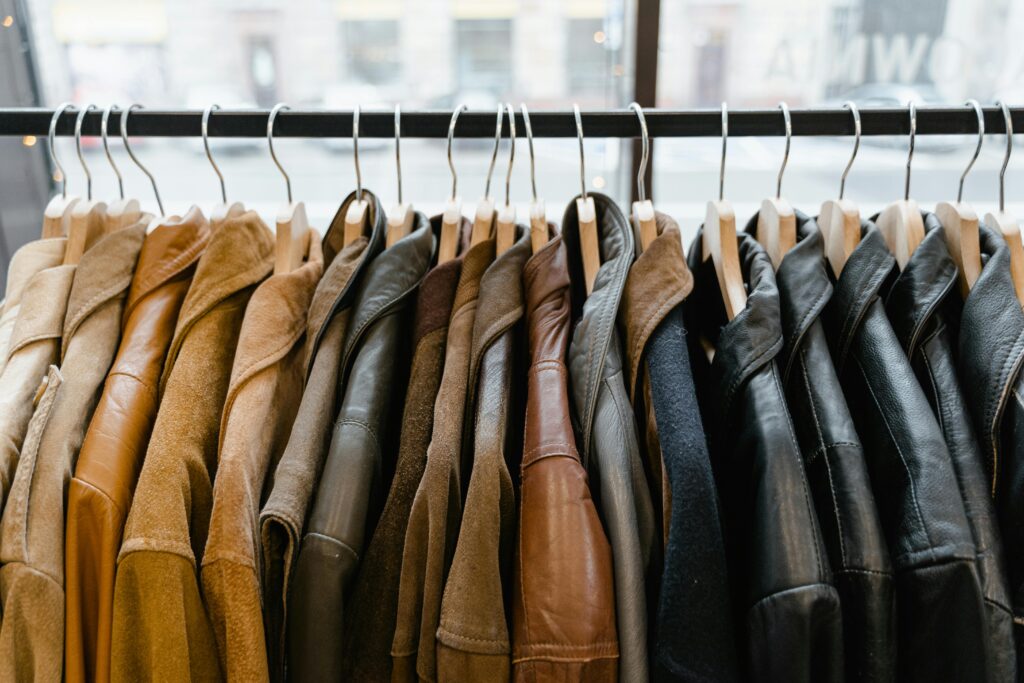
A collection of leather and suede jackets hanging on a clothes rack in a stylish boutique.
Threads That Define Style

Threads That Define Style

Threads That Define Style: More Than Just What You Wear Fashion is often seen as something superficial, but in reality, it runs much deeper. Every thread, every fabric choice, and every design detail comes together to create something meaningful. Threads define style, not just in how we look, but in how we express ourselves, our confidence, and our lifestyle. In today’s fast-changing fashion world, style is no longer about following trends blindly—it’s about wearing clothes that reflect who you are. Style Begins with the Right Fabric At the heart of every great outfit lies the fabric. Before a garment becomes fashionable, it begins as a thread. The quality of fabric determines comfort, durability, and overall appearance. Cotton offers breathability and ease, linen brings effortless elegance, denim delivers strength and versatility, while blends add stretch and flexibility for modern lifestyles. Modern shoppers are more aware than ever. They don’t just ask how does it look?—they ask how does it feel? and how long will it last? Threads that define style are those that balance comfort with quality, making clothes wearable for everyday life. Fit, Finish, and Function Style isn’t created by design alone. Fit plays a crucial role in how clothing looks and feels. A perfectly stitched garment with a poor fit loses its charm, while a well-fitted piece instantly elevates even the simplest design. Modern fashion focuses on structure without stiffness—allowing freedom of movement while maintaining a clean silhouette. Finishing details such as stitching, seams, buttons, and trims may seem small, but they define the difference between average clothing and exceptional style. These details are where craftsmanship shows, and craftsmanship is what builds trust in a brand. Everyday Wear That Makes a Statement Gone are the days when style was reserved only for special occasions. Today, everyday clothing defines personal style more than anything else. Casual T-shirts, shirts, jeans, jackets, and sweatshirts are no longer just basics—they are style statements. Neutral colors, minimal designs, and versatile cuts dominate modern wardrobes because they adapt easily to different looks. A single well-made piece can be styled for work, weekends, or evenings out. These are the threads that quietly define style without demanding attention. Fashion as Self-Expression What you wear often speaks before you do. Style has become a powerful form of self-expression. Some prefer clean and minimal looks, others lean towards bold and edgy designs. Neither is right or wrong—what matters is authenticity. Threads that define style allow individuals to tell their own story. Clothing becomes an extension of personality, culture, and mood. In a world full of fast fashion, people are increasingly choosing pieces that feel personal rather than generic. Quality Over Quantity Modern consumers are shifting away from overcrowded wardrobes. Instead of buying more, they are buying better. Quality-focused fashion emphasizes fewer pieces with stronger value. This approach not only improves personal style but also encourages responsible consumption. Durable fabrics, timeless designs, and thoughtful construction ensure that clothes remain relevant season after season. These are the threads that truly define style—because they last beyond trends. The Role of E-Commerce in Modern Style Online shopping has transformed how people interact with fashion. E-commerce allows customers to explore collections, understand fabric details, and compare styles with ease. For brands, this means style must be communicated not just through design, but through storytelling. Product descriptions, visuals, and brand messaging now play a key role in defining style. Customers want to know the story behind what they wear—where it comes from, how it’s made, and why it’s different. Sustainability and Conscious Choices Another important aspect of modern style is responsibility. Threads that define style today also consider environmental impact. Sustainable fabrics, ethical production, and mindful sourcing are becoming essential rather than optional. Fashion is evolving from fast consumption to conscious selection. Customers value transparency and brands that align with their values. Style is no longer just about appearance—it’s about making choices that feel right. Style That Builds Confidence At its core, style is about confidence. When clothing fits well, feels comfortable, and reflects personality, confidence comes naturally. You don’t need loud designs or expensive labels to look stylish. Often, simplicity combined with quality creates the strongest impression. Threads that define style are the ones that make you feel comfortable in your own skin. They support your daily life, adapt to your movement, and quietly enhance your presence. Final Thoughts Threads That Define Style are more than fabric and stitching—they represent intention, identity, and individuality. From fabric selection to final finish, every detail matters. Modern style is about balance: comfort with confidence, quality with simplicity, and fashion with purpose. In a world of endless trends, true style stands apart. It doesn’t shout—it speaks through the threads you choose to wear.
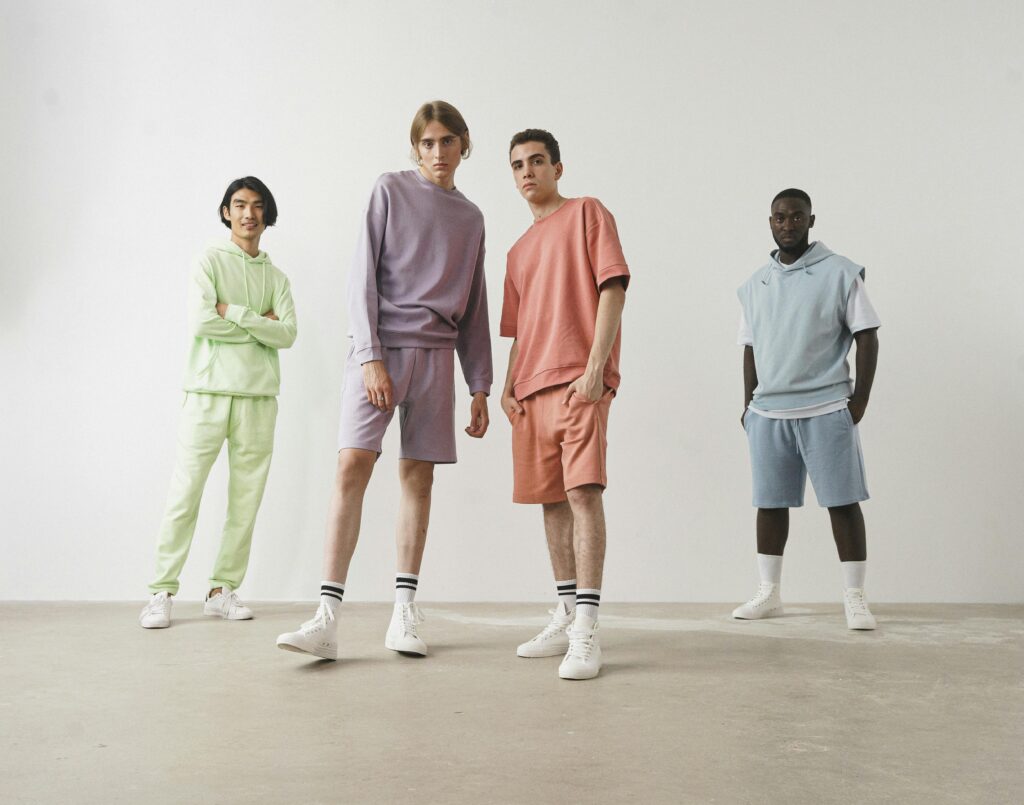
Stylish group of young models showcasing pastel casual wear in a minimalist setting.
Modern Men's Style

Modern Men’s Style

Modern Men’s Style: Where Comfort Meets Confidence Modern men’s style is no longer about rigid rules or copying runway looks. Today, it’s about balance—between comfort and class, trends and timeless pieces, individuality and versatility. Men now dress not just to impress others, but to express themselves. Whether it’s casual streetwear, smart casual outfits, or minimal formal looks, modern men’s fashion has evolved into something practical, confident, and deeply personal. The Evolution of Men’s Fashion Men’s style has come a long way from stiff suits and limited choices. Earlier, fashion for men focused mainly on functionality. Today, clothing reflects lifestyle, personality, and even mindset. With social media, fashion blogs, and global influences, men are more aware of trends and more open to experimentation. However, modern style doesn’t mean overdoing it—it means dressing smartly with intention. The Foundation: Fit Is Everything No matter how expensive or trendy your outfit is, poor fit can ruin the entire look. Modern men understand that fit matters more than brand names. Slim-fit or tailored clothing enhances body structure without feeling uncomfortable. From T-shirts to blazers, clothes should complement your shape, not cling or hang loosely. A well-fitted basic outfit often looks sharper than a poorly fitted designer one. Casual Wear Redefined Casual wear has become the backbone of modern men’s fashion. Think clean T-shirts, solid polos, relaxed shirts, denim jeans, joggers, and lightweight jackets. Neutral colors like black, white, beige, navy, and olive dominate because they are easy to mix and match. Sneakers have become a style essential, pairing effortlessly with jeans, chinos, and even semi-formal looks. Layering is another key trend. Hoodies under jackets, shirts over T-shirts, or overshirts with chinos add depth without trying too hard. The goal is to look effortless yet put together. Smart Casual: The Everyday Power Look Smart casual is where modern men truly shine. It bridges the gap between formal and relaxed, making it ideal for offices, dinners, or casual meetings. A crisp shirt paired with chinos or dark denim, loafers or clean sneakers, and a lightweight blazer creates a sharp yet relaxed vibe. Modern men prefer breathable fabrics like cotton blends, linen, and stretch materials that allow comfort throughout the day. Subtle patterns, solid colors, and minimal branding define this look. The Rise of Minimalism Minimalism plays a major role in modern men’s style. Instead of loud prints and heavy logos, men are choosing clean designs, muted tones, and timeless silhouettes. A minimalist wardrobe focuses on quality over quantity—fewer pieces, but better ones. Classic items like a white shirt, black jeans, neutral jackets, and versatile footwear can be styled in multiple ways. This approach not only looks sophisticated but also saves time and money. Accessories: Less but Meaningful Modern men don’t overload accessories. A stylish watch, a leather belt, sunglasses, or a simple bracelet is often enough. Accessories are used to enhance the outfit, not dominate it. Footwear also acts as a key accessory—clean sneakers, boots, loafers, or formal shoes can completely change the mood of an outfit. Grooming Completes the Look Style isn’t just about clothes. Grooming plays an equally important role. A neat haircut, well-maintained beard, or clean shave elevates even the simplest outfit. Modern men invest time in personal grooming because confidence begins with how you carry yourself. Confidence Is the Real Trend Trends change, but confidence never goes out of style. Modern men’s fashion encourages authenticity—wearing what feels right rather than blindly following trends. When you’re comfortable in your clothes, it shows in your posture, attitude, and presence. Final Thoughts Modern men’s style is about smart choices, comfort, and self-expression. It blends classic elements with contemporary trends, allowing men to look stylish without sacrificing practicality. By focusing on fit, minimalism, quality fabrics, and confidence, any man can build a wardrobe that reflects his personality and lifestyle. Fashion today isn’t about impressing the world—it’s about feeling your best in your own skin.

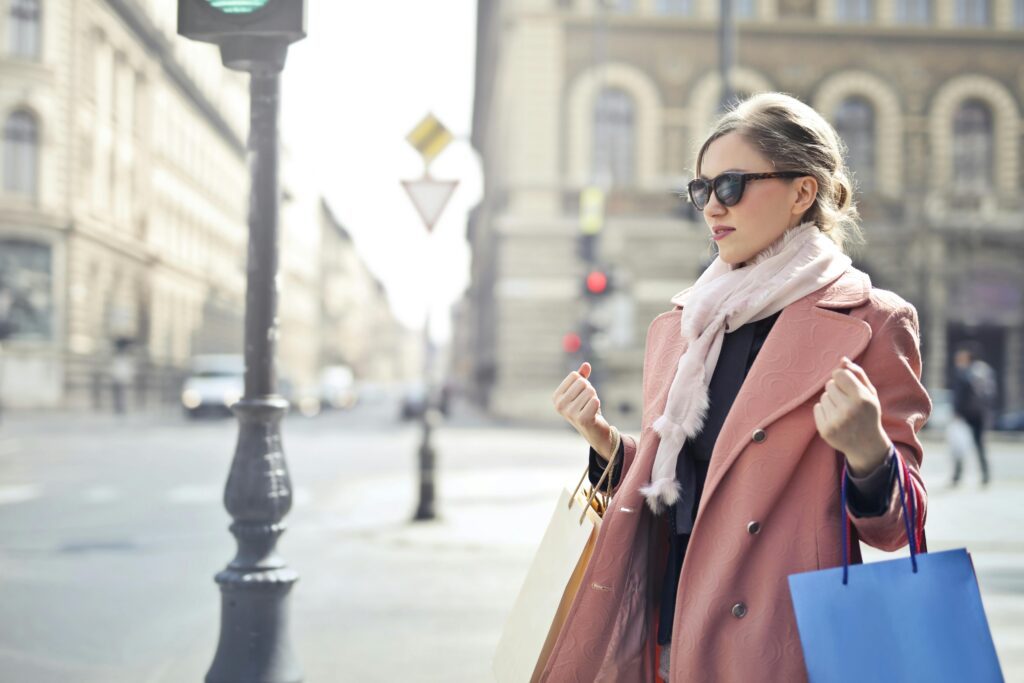
Elegant woman in a pink coat and sunglasses shopping with bags in a city street.
Streetwear Trends 2026

Streetwear Trends That Are Rulling 2026

Streetwear in 2026 isn’t just a set of clothes — it’s a cultural manifesto. What started as underground fashion has evolved into an expressive, boundary-blurring style that mixes comfort, nostalgia, tech, sustainability, and high-fashion influence. Whether you’re a sneakerhead, a minimalist, or someone who just loves bold outfits, this year’s streetwear trends have something for everyone. From cyber-inspired tech pieces to revamped classics and fresh denim cuts, here’s what’s ruling the streets in 2026. 1. Oversized Silhouettes Still Reign Supreme One of the biggest continuations from recent years is the oversized silhouette craze. Hoodies, tees, jackets, and even tailored pieces have embraced exaggerated, relaxed fits that prioritize comfort without sacrificing style. Baggy and wide-leg pants paired with oversized tees or hoodies offer a laid-back, effortless vibe that’s perfect for casual street shots and everyday wear. But it’s not just about being “big” — it’s about structure and form. The trend has evolved into what many call architectural oversize, where pieces are thoughtfully designed with 3D structure and heavy-weight fabrics that elevate the look from sloppy to iconic. 2. Denim Reinvented: Beyond Skinny and Barrel Denim has always been a streetwear staple, but 2026 is transforming how we wear it. Skinny jeans are losing ground to more inclusive denim silhouettes: 3. Utility & Techwear: Function Meets Fashion Techwear has been quietly growing, and in 2026 it’s mainstream. Think cyber-chic outfits with functional detailing — hidden pockets, waterproof fabrics, reflective trims, and tactical accessories. These pieces don’t just look futuristic; they’re built for movement and urban living. This trend overlaps with gorpcore, where outdoor gear becomes street style staples. Lightweight technical jackets and sleek cargo pants are as at home on the sidewalk as on a hike. 4. Nostalgia Never Fades: Retro Revivals Streetwear continues to draw inspiration from past decades — but with contemporary twists. Expect to see: This resurgence bridges generations and creates fresh looks from familiar pieces. 5. Sneaker Culture Evolves — Quiet Luxury & Tech Sneakers remain the centerpiece of streetwear, but the vibe is shifting: Even classic designs like Adidas Gazelles, Sambas, and New Balance runners are enjoying a renaissance, proving that the intersection of heritage and modern style still matters. 6. Sustainability Isn’t a Bonus — It’s Expected 2026 marks the year eco-friendly fashion became central to streetwear, not just a niche. Brands are experimenting with recycled nylons, organic cottons, upcycled pieces, and biodegradable materials — often without compromising on style or performance. Consumers aren’t just buying clothes; they’re voting with their wallets for brands that prioritize ethical production and low environmental impact. 7. Layering & Texture Play Streetwear in 2026 thrives on creativity — and nothing shows that more than layered outfits and mixed textures. Mesh tops under oversized jackets, leather paired with mesh, and knitwear layered over hoodies add depth and personality to any look. This approach allows streetwear to be dynamic — adaptable to weather, moods, and personal style. 8. Gender-Neutral Fashion Takes Hold More brands are embracing gender-less designs, offering unisex fits that transcend traditional fashion boundaries. This trend reflects a broader cultural shift toward inclusivity and self-expression without labels. Hoodies, trousers, tees, and outerwear are designed to flatter all bodies, making streetwear more accessible and expressive. Final Thoughts Streetwear in 2026 is far from one-dimensional. It’s a fusion of comfort, technology, nostalgia, sustainability, and personal expression. Whether you’re rocking tech utility, embracing oversized fits, revisiting retro denim, or stepping into quiet luxury sneakers, the style landscape is richer and more diverse than ever. This year’s trends empower you to define your identity — on the streets, online, and everywhere in between.

Scroll to Top